All projects
Technical healthcare • 2024–now • Repositioning

Plantinox — B2B Positioning Case Study

B2B repositioning of a technical company: strategy, brand identity, and transformation in healthcare systems.

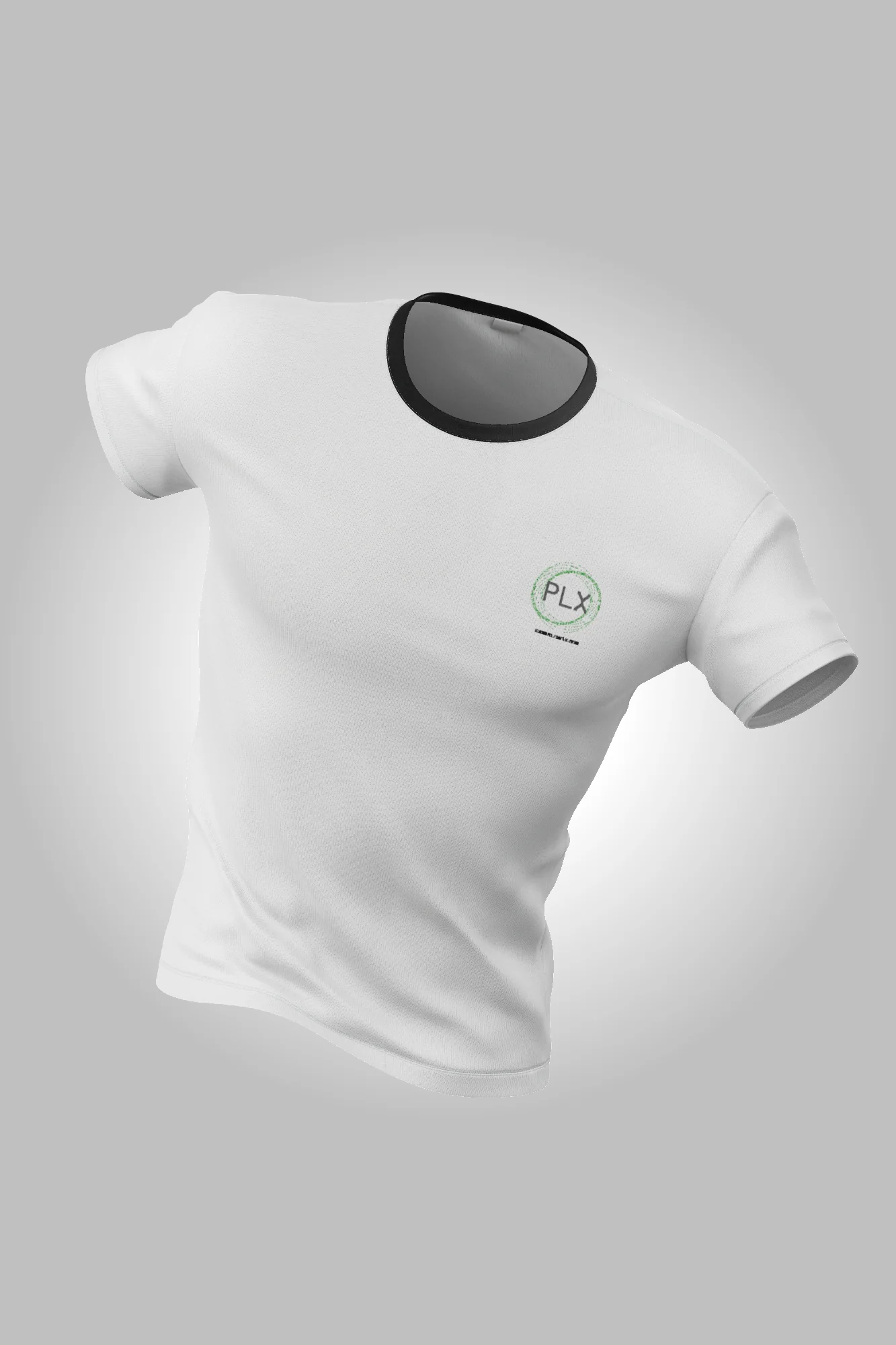
Plantinox uniform
Duration
Ongoing
Phases
5 completed
Outcome
Repositioning
Journey 2024–now
Start
2024
Decode
2025
Define
2025
Design
2025
Deploy
2025
Ongoing
2025–…
Context

B2B repositioning: loss of direction and market clarity

Plantinox operates in technological solutions for healthcare facilities: systems, support infrastructure, supplies, and services connected to the hospital environment.

Before Kredo’s intervention, the company was in a delicate phase: not an operational crisis, but a progressive loss of market clarity.

A management change opened a new phase, yet the identity was still tied to previous leadership that had weakened positioning, perceived reliability, and offer clarity.

Plantinox hadn’t lost capabilities. It had lost a communicable direction.

PHASE_01

Decode

Separate real value from perception: B2B positioning

The first phase focused on a structural analysis of the company and its competitive context.

The issue wasn’t the product or the service, but how the company was read from the outside:

  • Incoherent visual and verbal identity
  • Fragmented messaging
  • Difficulty standing out from similar technical operators

Plantinox did many things, but didn’t explain why those things truly mattered. Decode identified what had to be preserved and what had to be rebuilt.

PHASE_02

Define

Put order back: identity and strategy

The goal wasn’t “redo the logo,” but to restore internal coherence and clarify Plantinox’s role in the healthcare supply chain.

In this phase we defined:

  • Plantinox’s new positioning
  • Key messages
  • Offer perimeter
  • Tone of voice: technical yet readable

Before communicating more, we needed to communicate better and consistently.

PHASE_03

Design

Rebranding as a clarity tool

Plantinox’s rebrand was designed as a functional tool, not an aesthetic one.

Key interventions:

  • New visual identity
  • Full revision of company communication
  • Message rationalization
  • Narrative aligned with the new management

Design was used to make the company more legible, reduce ambiguity, and convey solidity and reliability. Not to impress, but to remove noise.

PHASE_04

Deploy

Sales enablement and commercial materials

A central part of the project focused on supporting the sales team.

The issue wasn’t sales capability, but the tools available to them.

  • Sales enablement materials aligned with the new positioning
  • Presentations and sales support tools
  • Content to sustain complex conversations, not aggressive selling

The goal: equip the sales team to explain why Plantinox is a reliable choice, not just what it supplies.

PHASE_05

Develop

Prepare the company for the next phase

The work did not stop at a one‑off intervention. The project built the foundation for more solid and ongoing communication, stronger internal/external coherence, and a more mature commercial dialogue.

Today Plantinox has a brand and communication structure capable of supporting growth, partnerships, and new market opportunities.

Impact

Selected results

Recovery of a clear strategic direction after a period of misalignment

Stronger perceived credibility in the market

Greater coherence between management, communication, and sales

More effective, less improvised sales tools

Solid base for future brand development

FAQ

What does a KREDO case study cover?

Context analysis, objectives, positioning choices, brand identity, and measurable outcomes, with a focus on strategic decisions.

What is the difference between rebranding and positioning?

Rebranding changes symbols and language; positioning redefines the brand’s role in the market. We address both when needed.

How long does a B2B brand transformation take?

It depends on complexity and stakeholders. Typically 6–18 months for a full identity and positioning program.

Do you work on generational transitions?

Yes. Many projects start from generational change or post‑acquisition, aligning identity, structure, and market.