All projects
Medical Devices • 7 years • 2018–2025

DZ Medicale → Oxyone Medical Devices — B2B Brand Transformation Case Study

Post‑acquisition B2B transformation: brand identity, positioning, and architecture for a medical devices group.

Duration
7 years
Phases
5 completed
Outcome
DZ → Oxyone
Journey 2018–2025
Start
2018
Decode
2019
Define
2020
Design
2021-22
Deploy
2023-24
Oxyone
2025
Context

Post-acquisition loss of direction: B2B positioning

DZ Medicale is a legacy medical‑sector company that, before Kredo’s intervention, went through a gradual loss of direction. After being sold to foreign investors about seven years ago, the company was perceived negatively by the market: weakened identity, unclear positioning, and management still tied to the founder’s personal dynamics.

The handover to new governance marked a critical moment. CEO Ing. Filippo Conforti inherited a company with strong industrial capabilities, but without a strategic structure capable of supporting its evolution.

It is in this context that collaboration with Kredo begins: not as a cosmetic intervention, but as a progressive reconstruction path.
PHASE_01

Decode

Make the real problem visible: B2B positioning

The first phase focused on a deep analysis of the post‑acquisition situation.

The problem was not technological or production‑related, but structural:

  • Lack of a shared strategic direction
  • Market perception of decline
  • Misalignment between leadership, team, and external identity
  • Absence of a clear vision for the brand’s future

Decode made it possible to distinguish what had to be preserved (know‑how, technical credibility) from what had to be rebuilt (identity, language, brand architecture).

PHASE_02

Define

Stabilize before transforming: brand identity

In the early years of collaboration, the work focused on a mid‑level rebranding of DZ Medicale.

The goal was not to revolutionize, but to stabilize:

  • Restore coherence between vision and market
  • Rebuild internal trust
  • Give the brand a readable direction

In parallel, a positioning structure was defined to support product innovation and future growth, without breaking with the company’s industrial history.

PHASE_03

Design

From brand to products

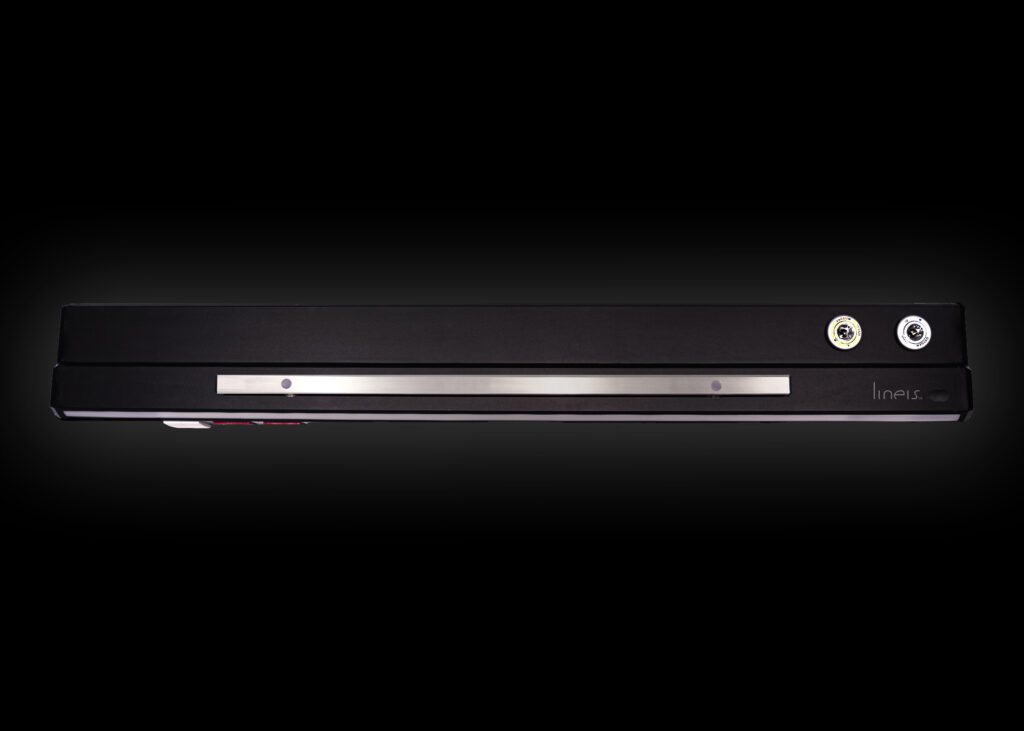
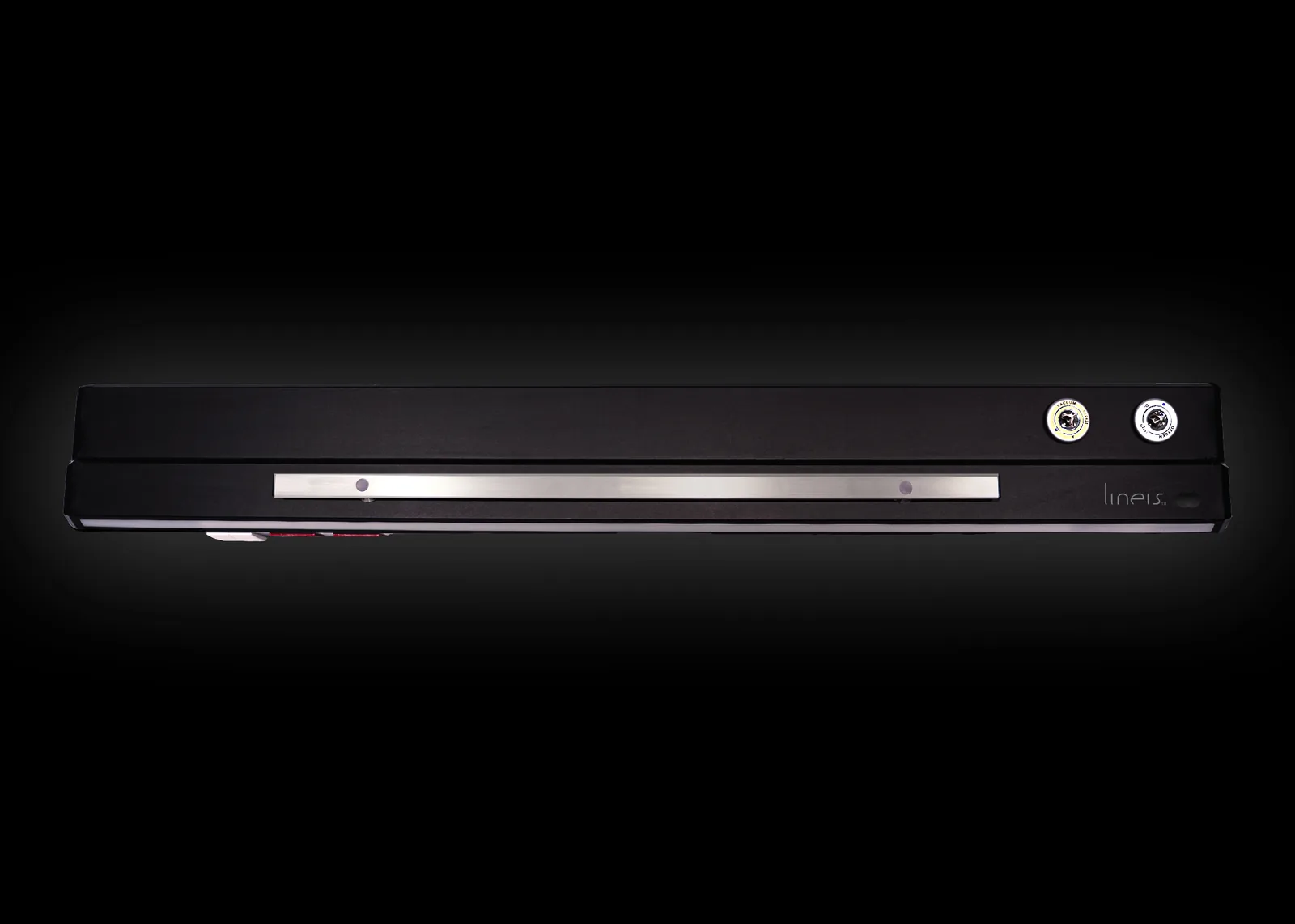
The Design work supported DZ Medicale in the enhancement and launch of strategic new products such as Lineis and Exagon.

At the same time, dedicated sub‑brands were created, including Kill Sept, an antibacterial coating used on DZ/Oxyone medical products.

Design was not intended as decoration, but as a tool for clarity:

  • Make complex products clear
  • Build coherence between portfolio and identity
  • Prepare the company for a future brand evolution
PHASE_04

Deploy

The birth of Oxyone Medical Devices

With the progressive consolidation of the strategy, Oxyone Medical Devices was born.

Initially conceived as a parallel brand, Oxyone was designed to represent a new phase: more contemporary, more international, more aligned with future markets.

Over time, Oxyone ran alongside DZ Medicale until fully replacing it in 2025.

Deploy covered:

  • Brand architecture
  • Commercial materials
  • Visual and verbal language
  • Digital presence
  • Support for internal and external transition
Brand transition: DZ Medicale → Oxyone
Before — DZ Medicale
Logo DZ Medicale

Legacy identity tied to the founder. Perception of decline post‑acquisition. Classic industrial language.

After — Oxyone Medical Devices
Logo Oxyone Medical Devices

Contemporary, international brand. Identity built for future markets. Technical yet accessible language.

Lineis total view (black)
PHASE_05

Develop

A long‑term journey

The collaboration between Kredo, leadership, and the DZ/Oxyone team was continuous and cross‑functional.

Not a fixed‑term project, but strategic support that spanned different phases of the company:

  • Stabilization
  • Growth
  • Transformation

The work concluded in December 2025 with a company that was realigned, clear, and ready to face more complex markets.

Impact

Selected outcomes

Progressive reconstruction of strategic direction after a period of unstructured management

Realignment between leadership, team, and market positioning

Credible transition from a legacy company perceived in decline to a contemporary industrial brand

Introduction of a brand structure able to support new products and sub‑brands

Strengthened international clarity after the entry of foreign investors

FAQ

What does a KREDO case study cover?

Context analysis, objectives, positioning choices, brand identity, and measurable outcomes, with a focus on strategic decisions.

What is the difference between rebranding and positioning?

Rebranding changes symbols and language; positioning redefines the brand’s role in the market. We address both when needed.

How long does a B2B brand transformation take?

It depends on complexity and stakeholders. Typically 6–18 months for a full identity and positioning program.

Do you work on generational transitions?

Yes. Many projects start from generational change or post‑acquisition, aligning identity, structure, and market.